Curiosity changed the shape of the universe.

Albert Einstein, slide 1 of 4
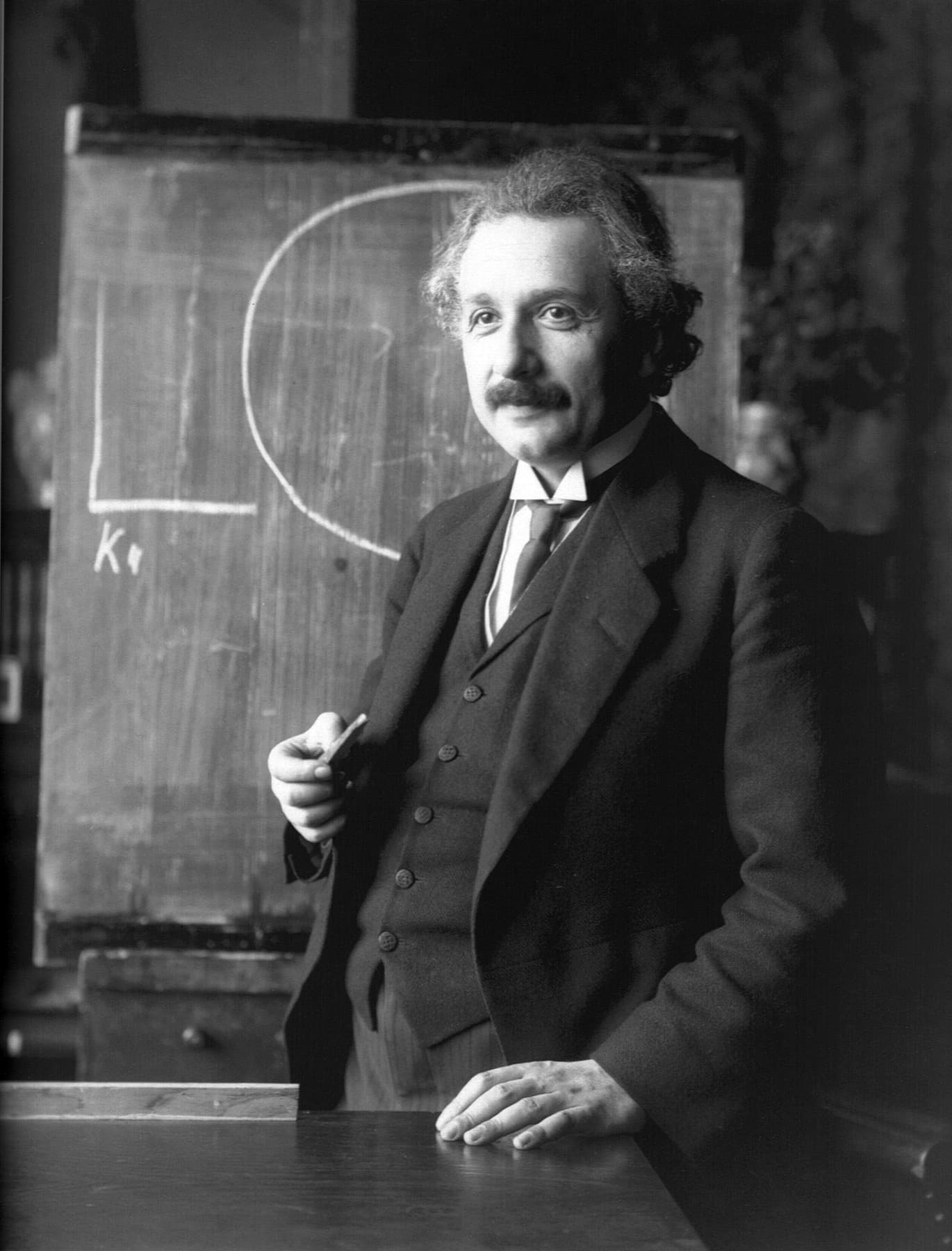
Albert Einstein
Questions about light, space, and time reshaped how we understand the universe.
Ferdinand Schmutzer, 1921 · Public domain
Albert Einstein, slide 1 of 4
Albert Einstein
Questions about light, space, and time reshaped how we understand the universe.
Ferdinand Schmutzer, 1921 · Public domain
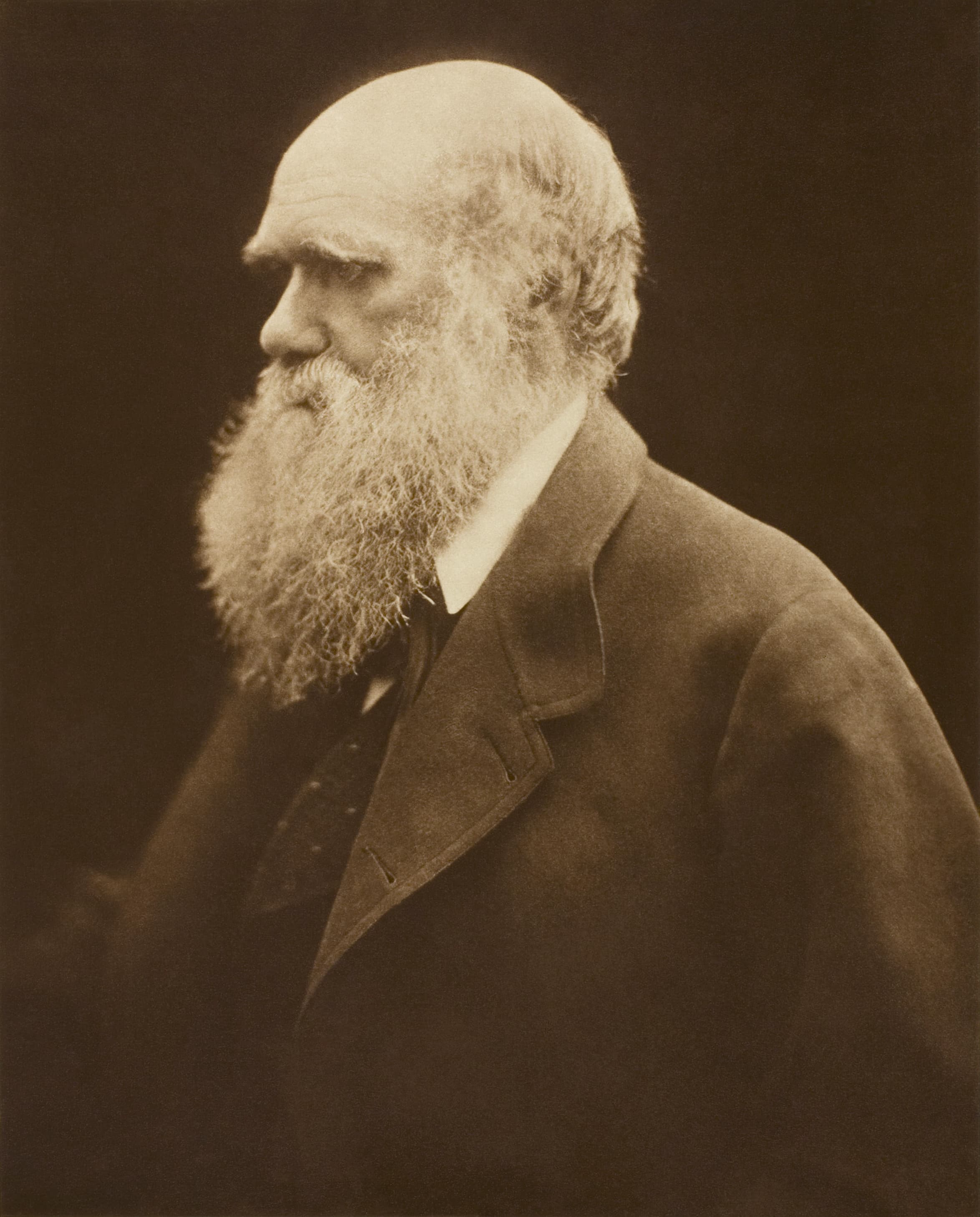
Charles Darwin, slide 1 of 4
Charles Darwin
His theory of evolution by natural selection transformed how we understand life's diversity.
Julia Margaret Cameron, c. 1868 · Public domain
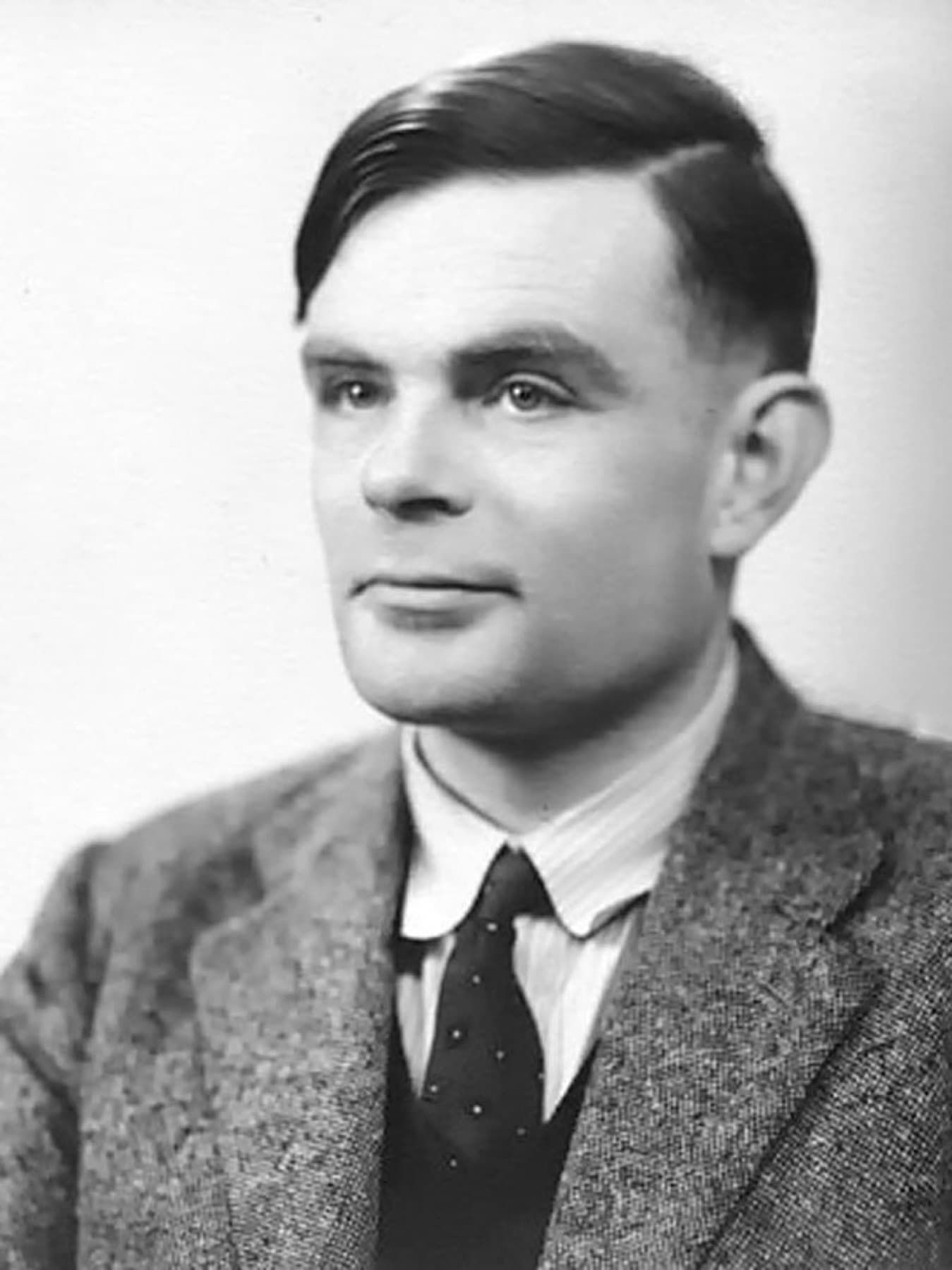
Alan Turing, slide 1 of 3
Alan Turing
By asking what computation is, he described a universal machine that became a foundation of computer science.
Elliott & Fry, 1951 · Public domain

Katherine Johnson, slide 1 of 3
Katherine Johnson
Her trajectory calculations helped guide early U.S. crewed spaceflights through launch, orbit, and return.
NASA, 1983 · Public domain
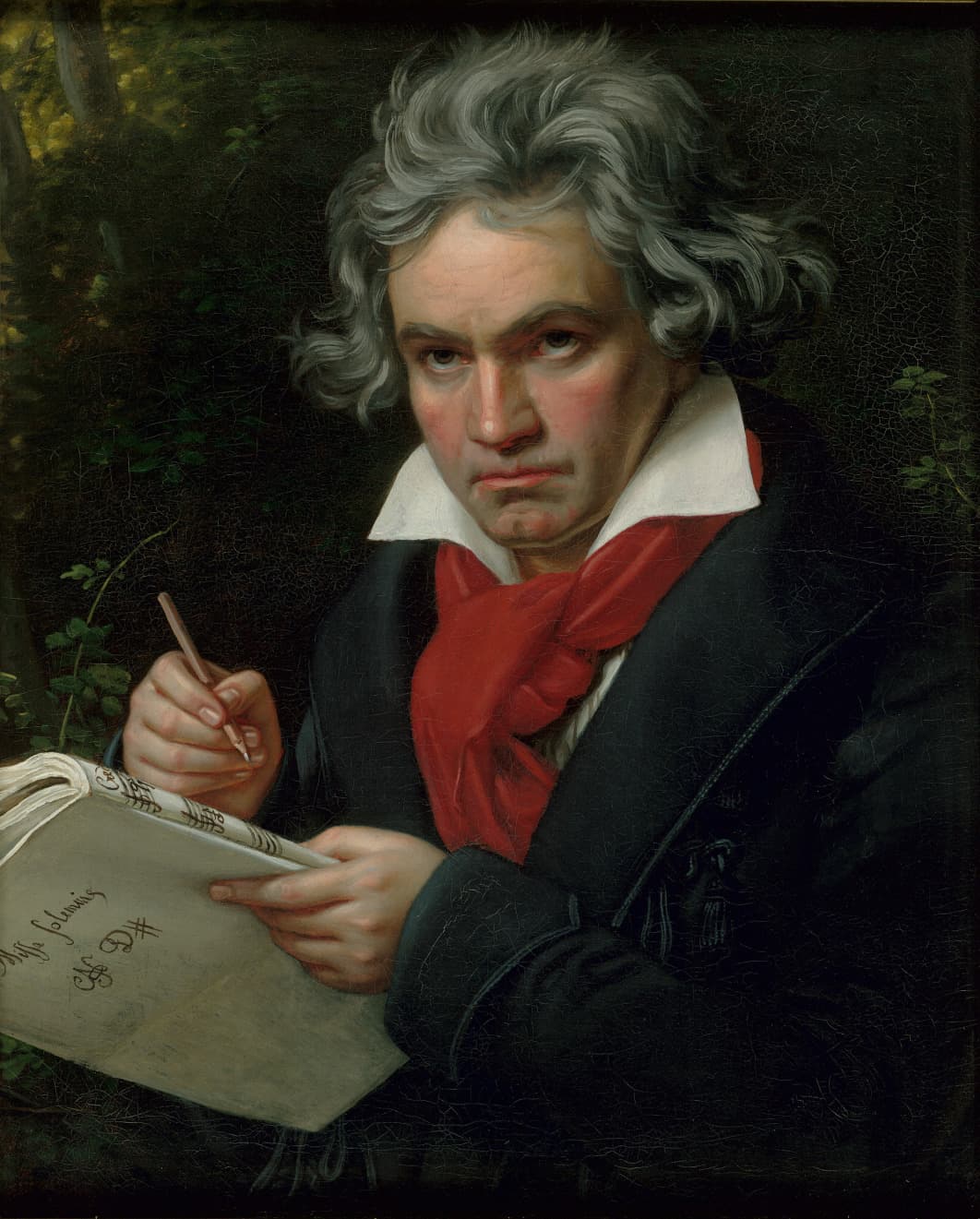
Ludwig van Beethoven, slide 1 of 3
Ludwig van Beethoven
He stretched inherited musical forms into works of extraordinary scale, tension, and emotional range.
Joseph Karl Stieler, 1820 · Public domain
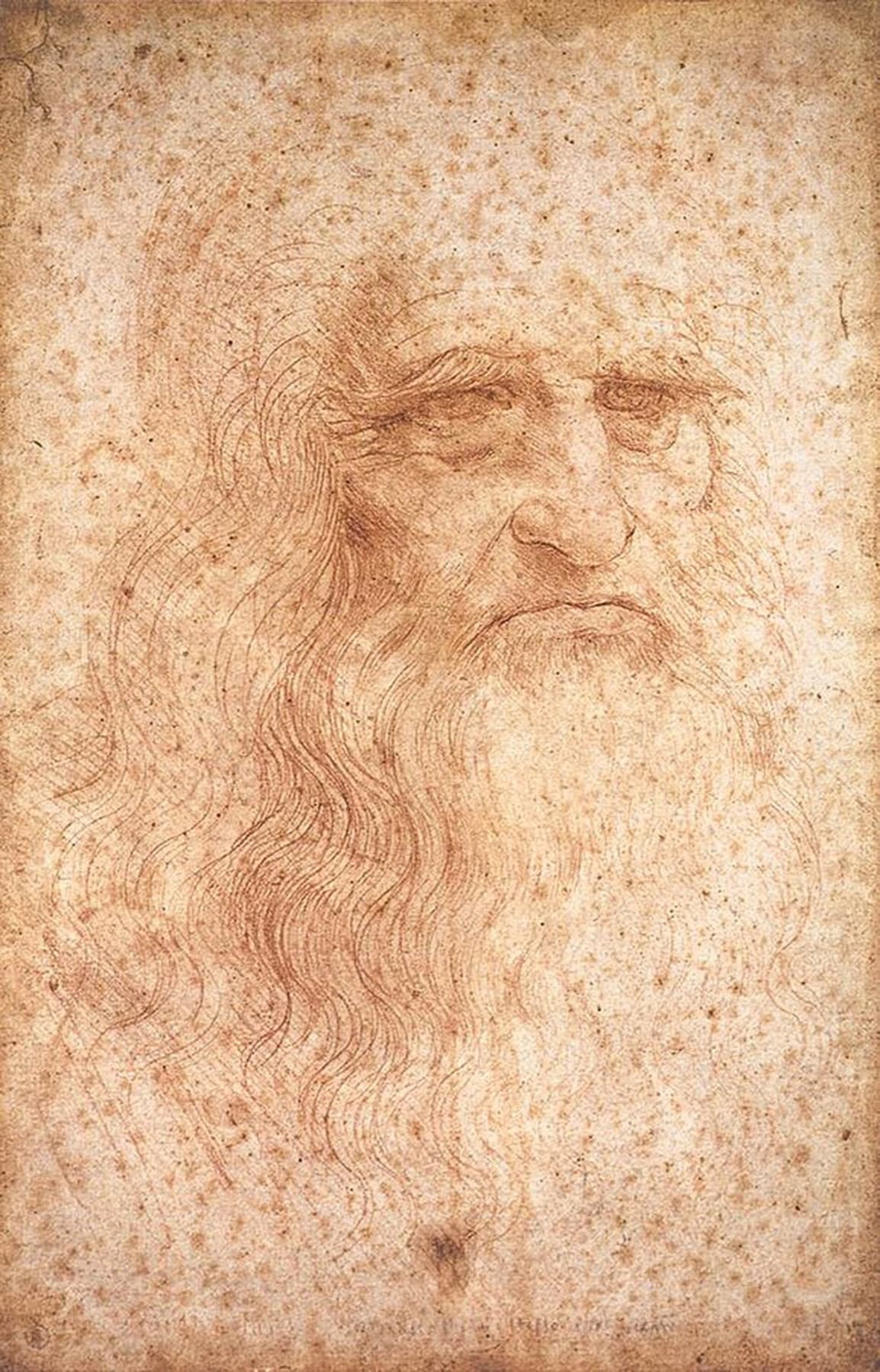
Leonardo da Vinci, slide 1 of 3
Leonardo da Vinci
His notebooks joined close observation with imagination across anatomy, mechanics, and art.
Attributed to Leonardo da Vinci, c. 1512 · Public domain
Studying can feel hard when an answer won’t come or a concept won’t click. It’s easy to take that moment as proof you aren’t capable. It isn’t. Being unsure is part of learning.
The people who inspire us kept asking questions and looking at familiar things in new ways. Their work reminds us that curiosity begins before certainty. You don’t need to know where a question will lead to give it your attention.
That’s the spirit we want Zaro Study to carry: room to slow down, ask, and try again without shame. You’re allowed to learn at your own pace. Wherever you’re starting, the next small step counts.